
Visualization of Stress Data
During Semester 6 at Fontys University of Applied Sciences, I worked on a group project in collaboration with Lectoraat IxD. The project focused on supporting people with Persistent Physical Symptoms (PPS), long-lasting physical complaints such as chronic pain, fatigue, and stress-related symptoms without a clear medical cause.
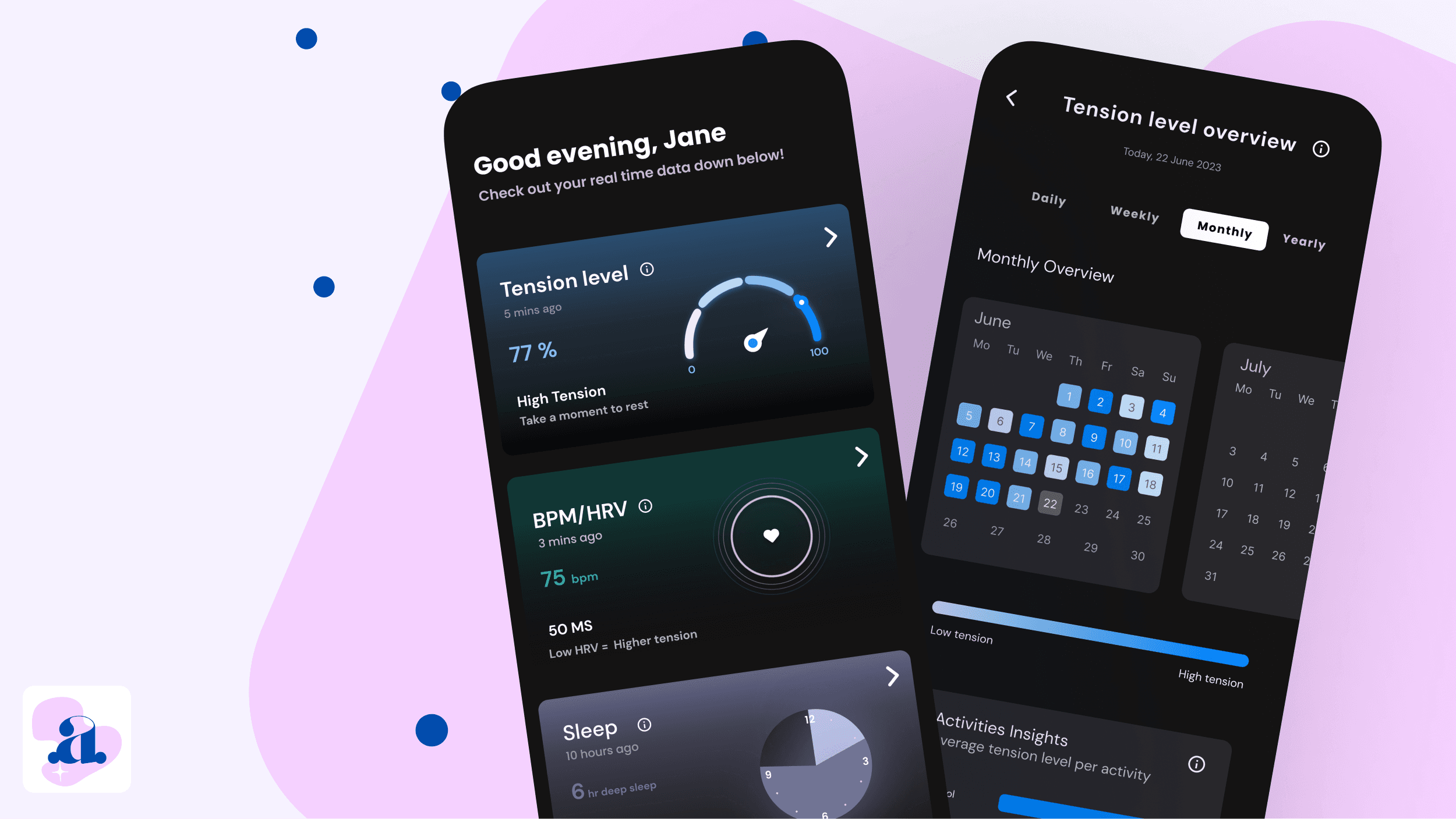
Our goal was to design an app concept that visualizes how stress levels influence the body, particularly in relation to physical symptoms and sleep quality. By presenting real-time data such as heart rate and stress indicators in a clear and understandable way, the app helps users recognize patterns between stress, sleep, and their symptoms.
Following the full Design Thinking process, we developed a user-centered concept tailored to the needs of people with PPS, aiming to increase awareness, self-insight, and better daily management of stress.
2023
UX/UI Designer
Eindhoven
Challenge
People with Persistent Physical Symptoms (PPS) often experience stress-related complaints such as fatigue, pain, and sleep disturbances, without always understanding how stress impacts their bodies. The challenge was to design an app that makes invisible patterns, for example, the relationship between stress, heart rate, and sleep, clear and understandable.
The solution needed to present data in a simple, accessible way, tailored to users who may already feel overwhelmed by their symptoms. Our goal was to create a supportive, intuitive experience that helps users gain insight into how stress affects their well-being and empowers them to better manage their daily lives.
Process
As a team, we followed the full Design Thinking methodology to create a user-centered solution. We began with a literature study and interviews with people experiencing PPS to better understand how stress affects their physical symptoms and sleep.
Using insights from each phase, we applied appropriate research methods to shape and validate our concept. The final outcome was translated into a high-fidelity interactive prototype in Figma, focused on making stress patterns clear, accessible, and easy to understand.
Research & Analysis: During this phase, each team member conducted a literature study using academic research articles to better understand Persistent Physical Symptoms (PPS) and the daily struggles associated with stress-related complaints. This helped us build a strong theoretical foundation and ensured our design decisions were evidence-based.
We also performed a competitor analysis to evaluate existing apps on the market that track stress, heart rate, or well-being data. This allowed us to identify strengths, gaps, and opportunities for improvement that we could incorporate into our own concept.
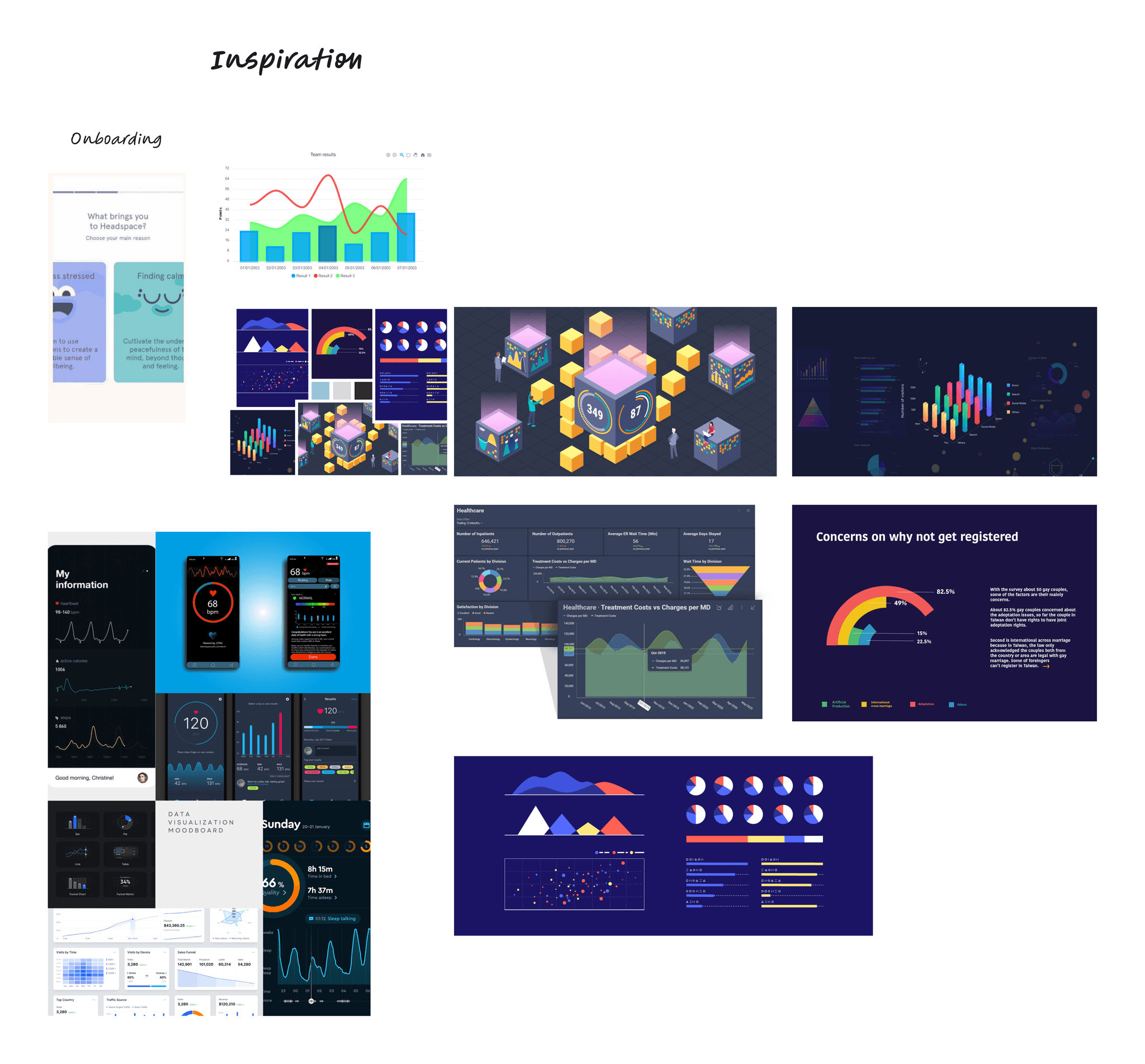
Additionally, we created an inspiration wall, collecting and analyzing apps that visualize stress or health data. We specifically researched data visualization principles to explore how stress-related information can be presented clearly, sensitively, and in a way that is easy for users to understand.
Empathize: To better understand our target audience, we conducted user interviews with people experiencing Persistent Physical Symptoms (PPS). These interviews helped us uncover their struggles, pain points, stressors, daily routines, and the tools they currently use to track health data.
We also conducted expert interviews with therapists to gain a professional perspective on stress management and its effects on PPS.
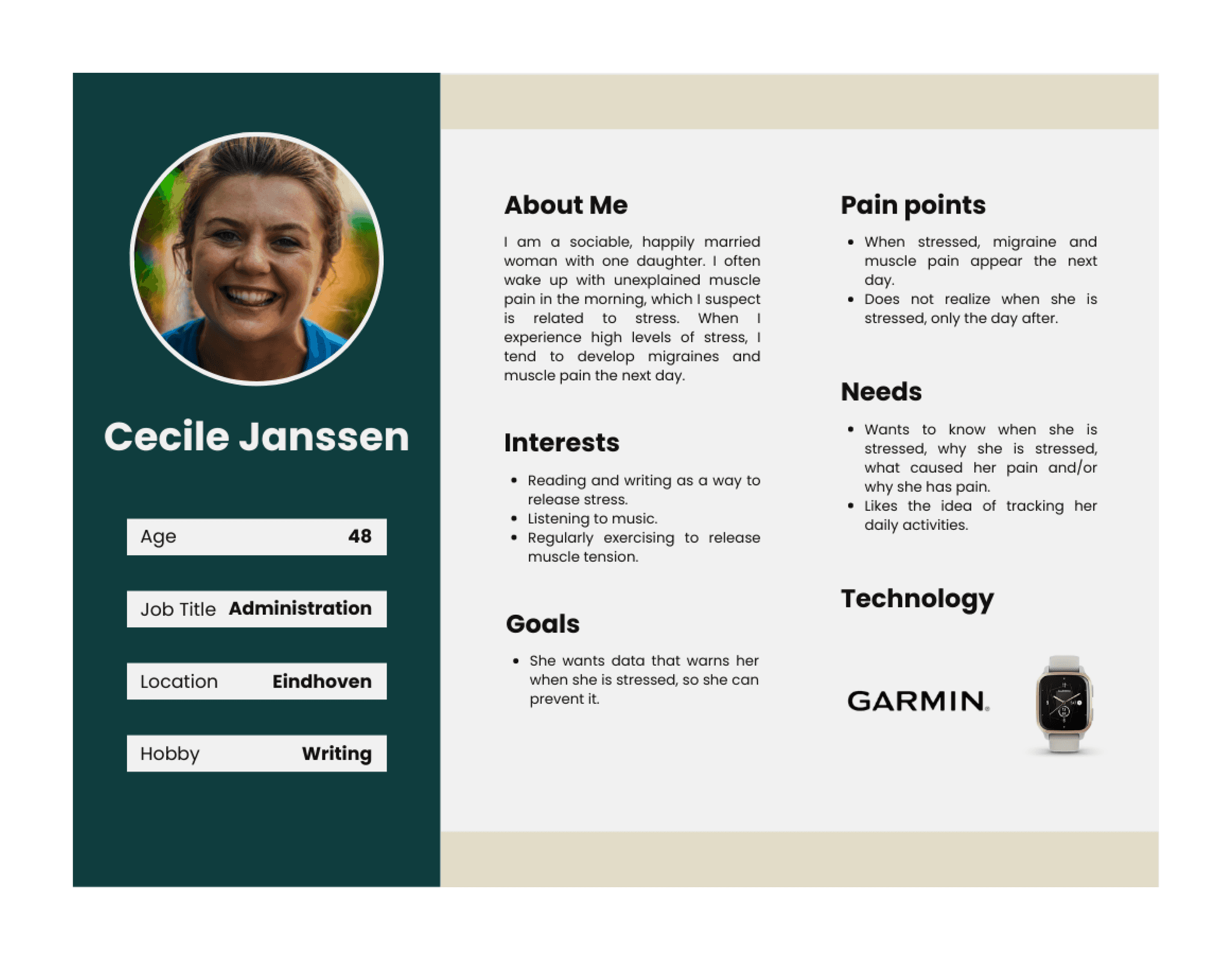
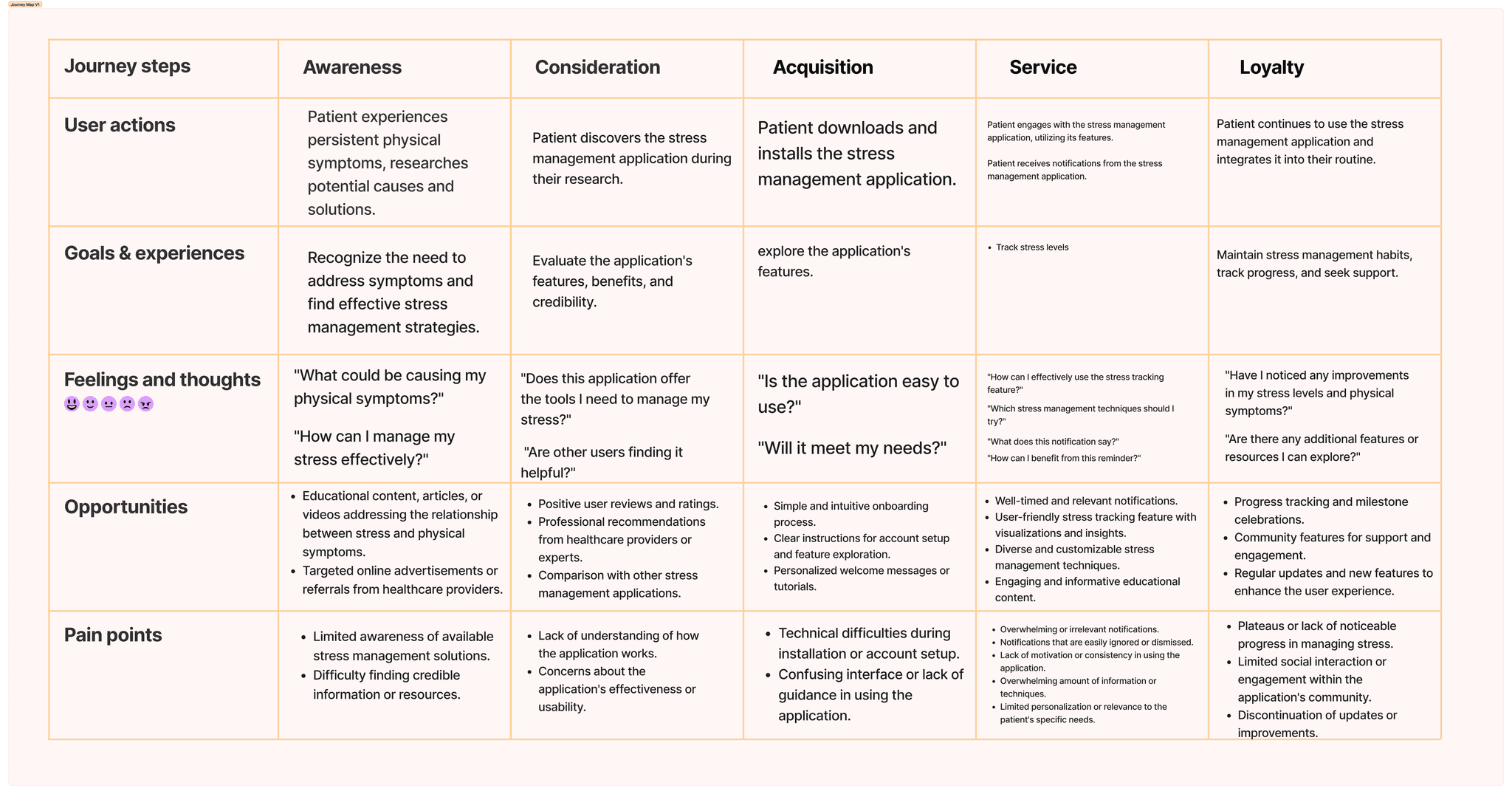
Using the insights gathered, we created personas to clearly represent our target users and a customer journey map to visualize their experiences, needs, and challenges. This foundation ensured that our design decisions were grounded in real user behavior and experiences.
Brainstorm and ideation: For brainstorming and ideation, we used FigJam to collaboratively map out the app structure, features, and user flows. We identified which pages to design, the types of graphs to include, key settings, and how data should be visualized.
We kept the user in mind by asking: Who is this for? ,What do they need to know? , and What questions might they have? , What is causing my stress?, How can I calm myself down?
To organize the app’s functionality, we created a C4 model, outlining how the app works, the data available to users, and the main components, including the Overview Page, Tension Page, HRV Page, and Sleep Page. This process ensured our design decisions were both user-centered and technically feasible.
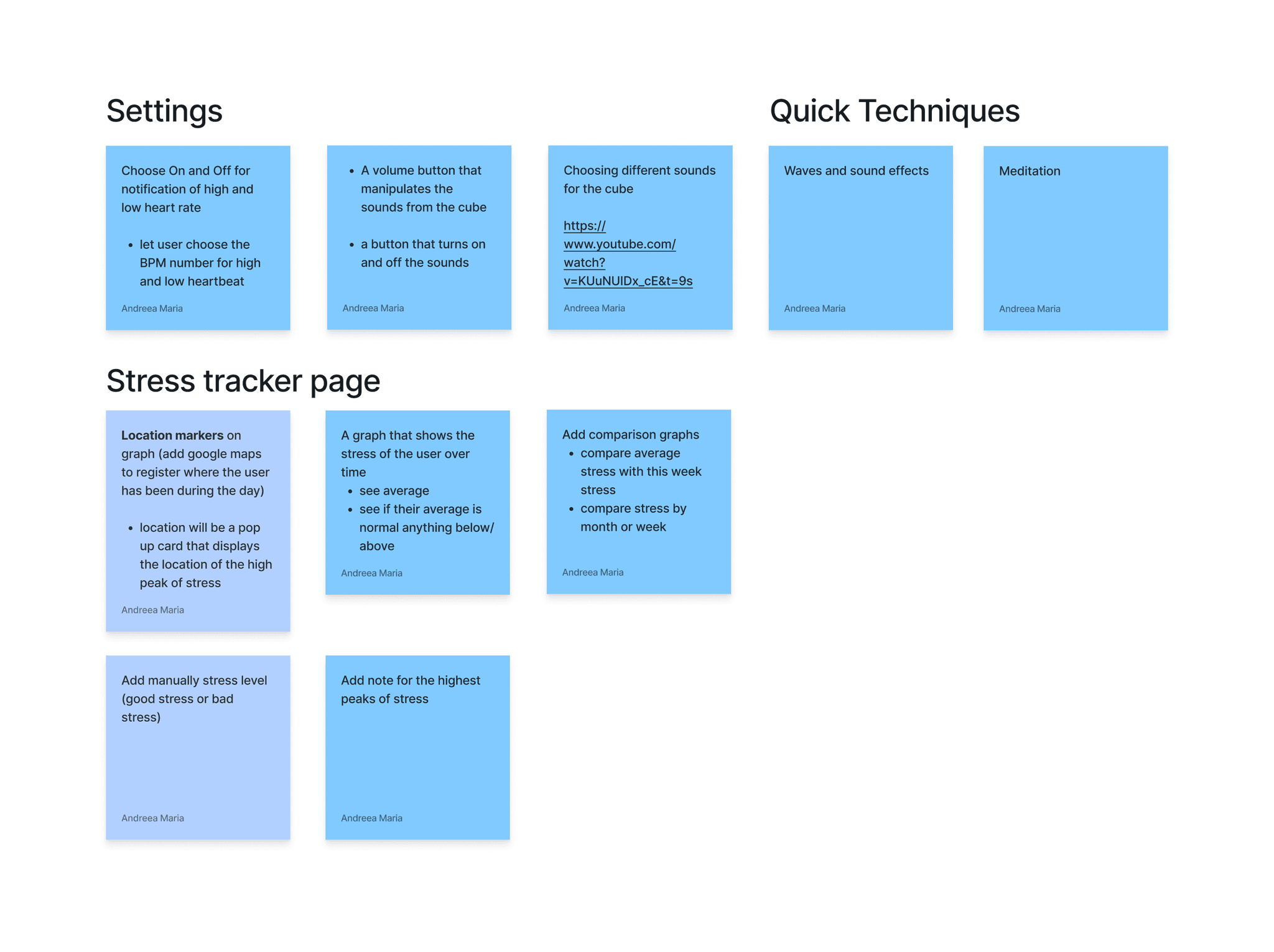
Design: After gathering insights from the research and ideation phases, we defined visualization goals, identified UX/UI best practices, and noted common visualization mistakes to avoid. We also created an information architecture to clearly map the app structure and the connections between pages.
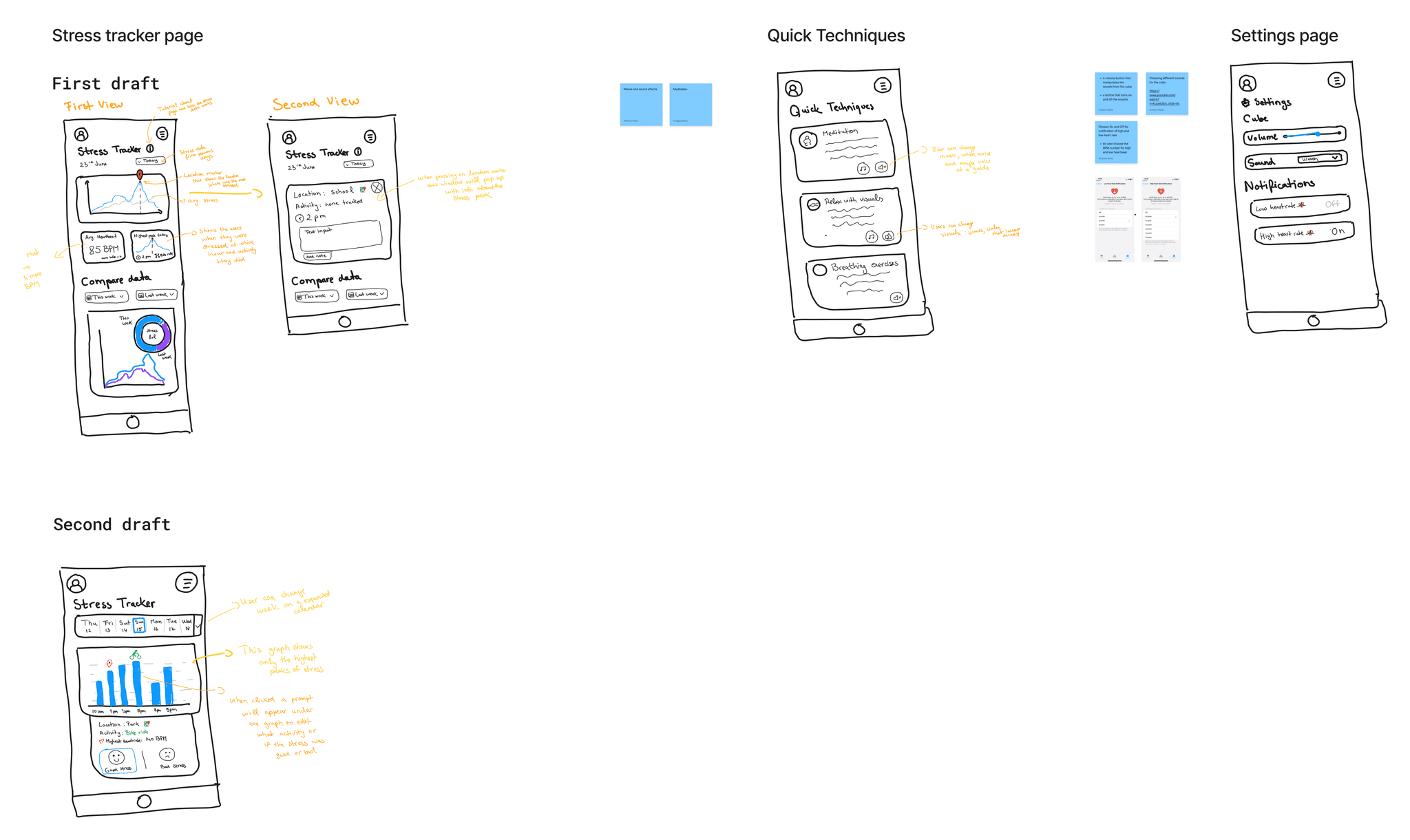
Sketching began in FigJam, where I designed drafts for key pages such as the Stress Tracker, Quick Techniques, and Settings. The team reviewed all sketches together to decide which ideas to apply, refine, or remove.
Next, we developed wireframes, presenting progress regularly to our stakeholders to gather feedback and ensure alignment. Once approved, we created a high-fidelity interactive prototype of the stress data tracker app, incorporating user-centered design principles, clear data visualization, and intuitive navigation.
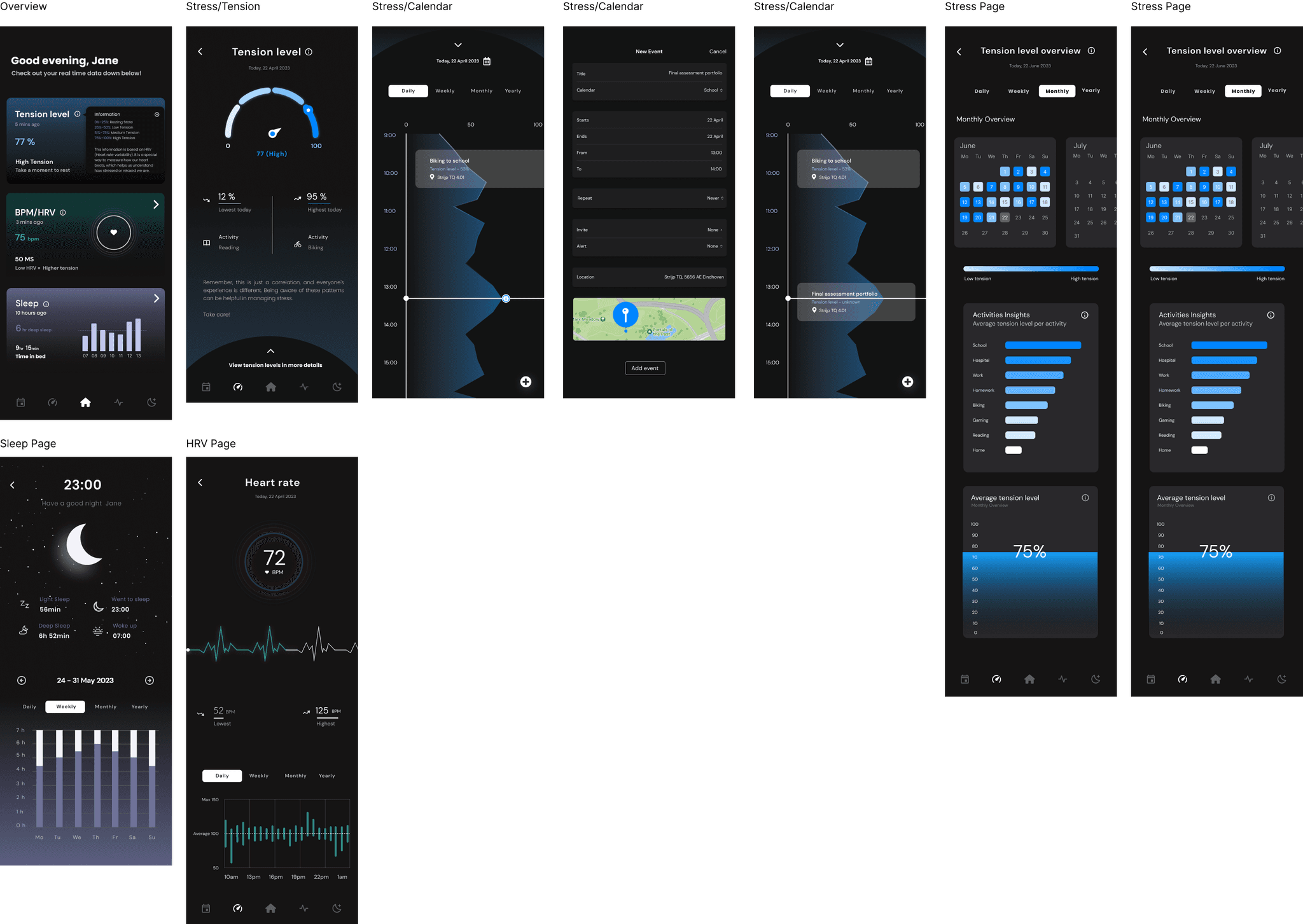
Testing: To validate our design, we presented the high-fidelity prototype to the same users we had interviewed at the start of the project. This allowed us to gather direct feedback from our target audience and evaluate how well the app addressed their needs.
Overall, the app was well received. The users found it intuitive and helpful for understanding stress patterns. The sessions also provided valuable suggestions and improvement ideas, which we used to refine the prototype and enhance usability, clarity, and user experience.
Conclusion
This project allowed us to design a user-centered app that helps people with PPS understand how stress affects their body and sleep. Throughout the process, we faced several challenges, including time management within a short project period, finding professionals for expert interviews, and translating complex physiological data into clear, intuitive visualizations. Despite these hurdles, through research, collaboration, and iterative design, we delivered a well-received prototype that met user needs and provided actionable insights for stress management.